


Carrier Bags
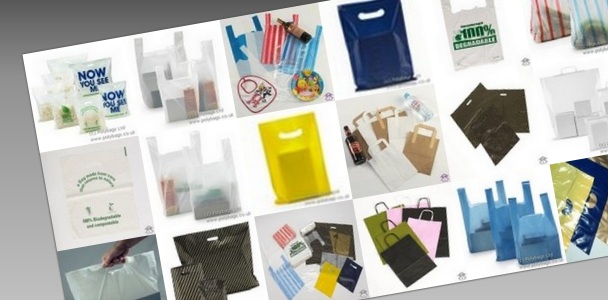
Carrier bags are usually manufactured from polythene but can also be made from alternative eco-friendly materials such as potato starch. Carrier bags are most commonly produced for shops, stores and supermarkets to give to their customers and so are the best known type of 'Retail Bag'.
Retail bags are produced in different styles and sizes, with a gusseted size or a flexi-loop and many other options. However the vest-style carrier bag is probably the most traditional type as they are economic and strong.
Results from recent searches on carrier bags
Details about 50 PURPLE PLASTIC CARRIER BAGS PATCH HANDLES MIXED 3-SIZES Small Medium Large
Plastic carrier bags with patch handles need the proper balance of strength, grip and gauge if they are going to survive shop-floor filling and transport home without splitting. A mixed pack of small, medium and big sizes gives decent flexibility, nevertheless the proper value comes from matching bag size to the products so there is less wasted material and less awkward loads. Patch handles normally improve comfort and tear resistance around the grip area, yet poor sealing or thin film can still lead to failure when heavier items are packed. That makes specification control and stock rotation matter above the colour alone.
Carrier Bags
Carrier bags need to transport weight without losing shape, because a bag that tears, stretches badly or feels flimsy damages both the purchase and the store's reputation. Material selection sets the tone straight away: thin polythene suppliers suits light items and short journeys, while paper or a heavier plastic grade gives more stiffness and a tidier hand-feel. Handle design, gusset width and seal quality all affect how well the bag survives at the packing table and out on the street. When those details are proper, the bag speeds service instead of slowing it down.
Biodegradable carriers can change how a soluble treatment behaves once it has been spread, because they grasp the active ingredient in position long enough to do the job instead of letting it wash away. That matters in packaging and handling terms as much as in the field, since any product that leaks, degrades badly, or loses potency amid storage creates waste before it ever reaches use. A carrier manufactured from food-grade biodegradable material gives controlled release without leaving lasting synthetic residue behind, which is a cleaner outcome for soil and groundwater. The practical result is less loss, less above-application, and a formulation that is easier to justify where environmental impact is being scrutinised.
Personalised carriers have to work as packaging before they work as promoting, because the bag still requirements to dash cleanly through converting and filling. A clever print stop means small if the film wanders, drags or seals unevenly on the machine. When gauge, coating and handle design are matched properly, the web stays flatter and the pack is easier to control at speed. If the substrate is also soft, it can stretch, curl or select up labels in storage and on the line, which makes counting and stacking awkward. Good specification retains the image tidy without upsetting production, so the finished carrier reaches dispatch looking consistent.
Printed Carrier Bags UK
Printed carrier bags have to be judged by how they behave, not by how sharp the artwork sees. The proper test is whether the film retains its shape, the seal grasps below load and the handles survive repeated lifting without tearing at the weak point. Gauge selection and resin mix matter because low-density and high-density polythene suppliers do not stretch or recover in the same method. A lighter spec may save material, nevertheless if it distorts in bulk packs or splits when filled, the shop ends up dealing with damaged stock and awkward client complaints. A bag that works on press nevertheless fails on the shop floor is the gross spec.
Printed carriers give biofilter media a more controlled working environment, and that beginnings with the geometry holding proper below wet loading. A properly printed lattice retains throat size and surface texture uniform, so liquid does not race through one area while another part of the bed goes hungry. That makes it easier for microbes to colonise evenly and reduces the dead zones that can hurt treatment performance. It also assists the media settle predictably, which matters when a vessel is filled, washed, or put back into service after maintenance. Good material selection and a clean melt profile are part of the job, because a carrier that distorts or sheds fines soon turns into a housekeeping problem as well as a process one.
Retail Bags
Retail bags need to suit the shop floor as well as the client's walk home, because a bag that fails in handling costs time and creates a poor impression at the till. A superb format feeds cleanly from storage, opens without sticking, and gives staff a bag that can be filled fast when the queue is moving. Film gauge, board quality and handle selection all affect how the pack behaves below load, particularly with heavier items or sharp edges that can stretch weak material. When the building is matched to the products, the result is faster service and less complaints about split seams or awkward carrying.
Study: Some men won’t use reusable shopping bags so they won’t be perceived as gay
Reusable shopping bags can transport a social price as well as a practical one, which is why a few men still avoid them even when they know the environmental case. The barrier is not the bag itself nevertheless the message it is seen to send, and that can matter above logic in daily behaviour. For packaging and shopping teams, that means a supposedly simple switch requirements proper view about shopper habits, aisle visibility and how a transport solution sees in use. A bag that folds neatly, feels robust and does not seem fussy is more likely to be accepted, so design can change behaviour as much as persuasion.
Paper carriers often do above simply drop off a morning bundle, and that changes the method the job has to be organised. Some buy papers for resale, while the rest transport consignments for a publisher to shops, assortment points, or vending boxes, and the same round may also include flyers or complimentary sheets for homes. That mix means the packing and load plan has to match the proper route, not a tidy theory on paper. Separate bundles, transparent counts, and sensible secondary packing reduce confusion at handover and assist retain the proper titles moving to the proper stop. A carrier operation runs better when the paperwork, separation, and dispatch routine are built around the proper workload.
Cash-and-transport outlets often select machine-manufactured SOS paper carrier bags because they handle heavy throughput without tying up cash in expensive packaging. A tidy white bag with a simple one- or two-colour print can transport a emblem well enough for basic recognition, while keeping the board specification and converting cost down. That suits short-life purchases like food to proceed, prescription items, or small trade parts that leave the premises fast. The bag is there to transport, keep safe, and transport stock through the point of sale without wasting material or labour. That makes low-cost paper bags a sensible secondary pack when speed and economy matter above presentation.
Clear plastic carrier bags
Clear plastic carrier bags are made from strong varigauge film. Varigauge because they are thicker around the handles to give extra resistance and thinner toward the bottom. Clear poly bags are completely see-through meaning customers can see what is inside clearly. This type of carriers can comfortably hold up to 5kg.
Heavy Duty Carrier Bags
Heavy duty carrier bags are suitable for multi-uses including food, use small plastic bags to packing food and large plastic bags to protect your items or pack heavy items. Lightweight and durable these heavy duty poly bags are available in many sizes and models.
Printed Carrier Bags
Printed carrier bags offer an economic and effective marketing solution. Printing a logo or a website address on a shopping bag can help getting the name of your company on the market for a low cost. Customer that by from you will carry the bag wherever they go allowing for other people to see and chances are big that they will come to your shop.
Polybags is the UK leading manufacturer and supplier of polythene packaging and they also offer custom printing services, so if you need to promote you company by having your brand printed make sure to visit Polybags and just fill a printed carrier bags form with your request.
Biodegradable Carrier bags
Having your logo or message printed on retail bags is one way to get to your customers but another great idea is to provide environmentally friendly carriers and your customers will notice that you are concerned with the environment and will give you more credit. Biodegradable carrier bags will break down when disposed of with industrial compost. Biodegradable bags can also be manufactured from potato starch which is 100% renewable and sustainable and will completely disintegrate into CO2, water and biomass in about 12 weeks if disposed in standard composting conditions.
Paper Carrier Bags
For smart alternative to traditional polythene carrier bags, paper bags could be a great solution. Paper carrier bags are strong, smart and biodegradable and they are generally made from materials like kraft, duplex and art card.
Eco-friendly, recyclable and resistant, paper carriers can be used for food packaging, the well known 'take away' bag, as well as a shopping bag. Paper bags can also be ordered with customized printing and with different handle designs, styles and colours.